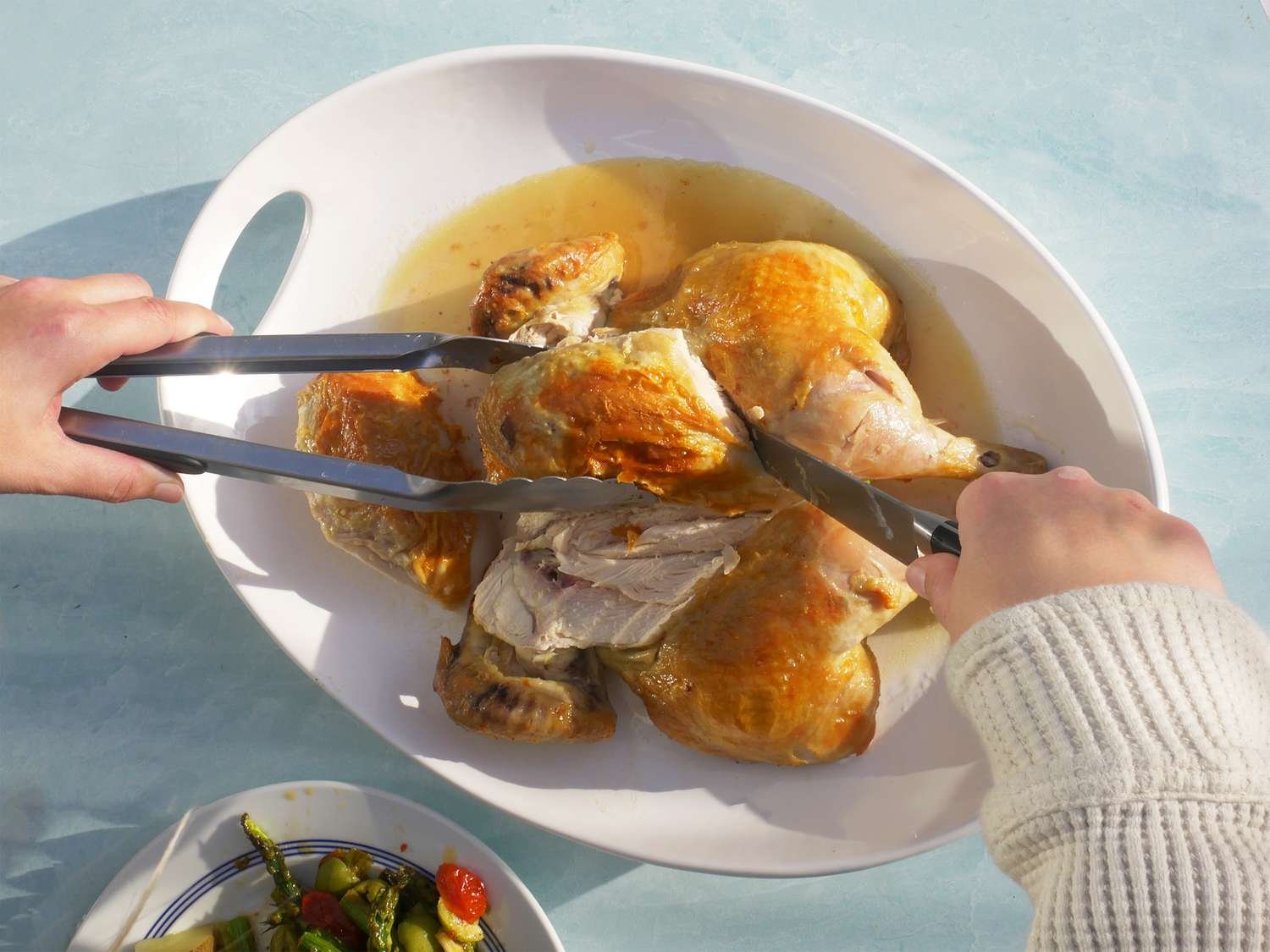

Last year I threw a surprise anniversary dinner for my in-laws and nearly had a meltdown when the roast chicken slid right off its platter onto the tablecloth. That moment lit a fire under me. I decided enough was enough—I needed serving platters that actually worked in real life, not just looked pretty in a catalog. So I bought ten popular options, from budget ceramic sets to splurge-worthy stoneware, and put them through the wringer with everything from sloppy pasta salads to sticky barbecue ribs and delicate charcuterie boards. What I learned changed how I entertain forever.
Why a Good Serving Platter Matters More Than You Think
A solid serving platter does way more than hold food. It turns an ordinary Tuesday night meal into something that feels special without any extra effort on your part. The right one keeps sauces contained, makes passing dishes effortless, and actually shows off your cooking instead of fighting against it. After my testing, I realized cheap platters often ruin presentation while the best ones quietly make you look like a pro host every single time.
How I Tested These 10 Serving Platters
I didn’t just unbox them and call it a day. Over three months I used each platter at least a dozen times in my actual kitchen and backyard. I loaded them with two-pound pasta salads spiked with extra vinegar to test runniness, carved whole roast chickens directly on them, passed them around crowded tables, and even took a few on camping trips for outdoor durability checks. Every platter got stained with curry, scratched with metal utensils, stacked in my cupboard, and run through the dishwasher or hand-washed depending on instructions.
My Testing Criteria
I judged each one on five things that actually matter when you’re juggling hot food and hungry guests: how well it contained messy or juicy items without spills, ease of carrying and maneuvering, how beautifully it made food look, durability after repeated use and cleaning, and value for the price. Aesthetics came second because if it can’t handle real food without looking wrecked, the pretty factor doesn’t last long.
The Foods I Served to Put Them to the Test
To keep things fair I rotated the same dishes across every platter: vinegar-heavy pasta salad, whole roast chicken with juices, spicy barbecue ribs, fresh fruit and tomato salad, charcuterie boards with olives and cheeses, and even a big batch of meatballs in red sauce. These covered runny, heavy, sticky, and delicate scenarios so I could see exactly where each platter shone or failed miserably.
The 10 Serving Platters I Put Through Their Paces
I picked a mix of ceramic, stoneware, porcelain, wood, marble-style, melamine, and even a couple budget options to cover every budget and occasion. Some surprised me in the best way while others taught me expensive lessons about what not to buy.
Williams Sonoma Open Kitchen Handled Platter (Medium Size)
This handled earthenware platter quickly became my go-to workhorse for family dinners because its gentle bowl shape kept every drop of sauce exactly where it belonged. The wide handles let me carry a full roast chicken from oven to table without burning my fingers or dripping grease everywhere. It survived dozens of dishwasher cycles and still looks brand new except for one tiny chip from aggressive stacking.
- Pros: Deep concave shape contains liquids perfectly; sturdy handles for easy passing; microwave and dishwasher safe; versatile size for sides or mains; bright white makes colors pop.
- Cons: Handles occasionally catch drips if you’re not careful; slightly heavy when fully loaded; one unit arrived with a stubborn smudge.
- Best for: Everyday family meals and casual entertaining.
Le Creuset Stoneware Serving Platter
The Le Creuset felt like armor for my food with its thick enameled stoneware and generous raised edges that refused to let chicken juices escape. Those cut-out handles made maneuvering it feel secure even when I was rushing, and the classic white finish turned simple sides into something worthy of a magazine spread. It handled oven-to-table transitions without batting an eye.
- Pros: Extremely durable with zero scratches after heavy use; oven, broiler, microwave, and dishwasher safe; flared edges prevent sliding; available in multiple colors.
- Cons: Quite heavy for frequent passing; grooves in handles can trap food bits; premium price point.
- Best for: Holiday roasts and large gatherings where durability matters most.
Made In Porcelain Serving Platter
This petite porcelain beauty made every dish look effortlessly chic with its subtle flared edges that somehow kept sauces in check despite the shallow depth. I loved using it for smaller dinner parties because the clean bistro style let the food be the star without any busy patterns competing. It reheated leftovers beautifully straight from the oven.
- Pros: Elegant restaurant-quality look; oven-safe up to 580°F; easy to clean and stack; lightweight for its size; colored rim options available.
- Cons: Too small for big family meals; no handles makes carrying awkward; glazed bottom can slide on slick tables.
- Best for: Intimate dinners and appetizers that need to look polished.
Our Place Ceramic Serving Platters (Set)
The Our Place set won me over instantly with how beautifully the two sizes nested together for storage and how their earthy tones complemented everything from brunch spreads to weeknight tacos. The raised edges were perfect for containing small bites without overwhelming larger portions. Guests kept asking where I got them because they elevated even basic chicken wings.
- Pros: Chip-resistant and lightweight; stack neatly; microwave and dishwasher safe; organic colors enhance food presentation; great value for a set.
- Cons: Sensitive to sudden temperature changes; shallow lips not ideal for very runny dishes.
- Best for: Versatile everyday use and stylish small gatherings.
Pottery Barn Mason Stoneware Oval Serving Platter
This affordable stoneware option proved that you don’t need to spend a fortune to get great results. Its neutral tones made vibrant foods look extra appetizing and the sturdy weight felt reassuring without being exhausting to carry. I used it constantly for casual weekends and it still looks fresh after months of abuse.
- Pros: Excellent price-to-performance ratio; classic oval shape fits most tables; dishwasher safe; black version makes colors pop dramatically.
- Cons: Flared edges reduce usable surface area slightly; not quite as deep as premium options.
- Best for: Budget-conscious hosts who want reliable daily performance.
Crate & Barrel Tondo Acacia Wood Platter
Switching to this acacia wood platter for charcuterie nights felt like a total game-changer—the natural grain made cheeses and cured meats look like they belonged in a fancy shop. It stayed cool and didn’t absorb odors like some woods do, though I learned quickly to oil it regularly to prevent drying out. Perfect for outdoor entertaining too.
- Pros: Beautiful natural aesthetic; lightweight and easy to pass; great for dry foods and finger foods; food-safe and durable with proper care.
- Cons: Requires hand washing and occasional oiling; not suitable for wet or saucy dishes; can develop stains over time if neglected.
- Best for: Cheese boards, antipasti, and rustic-themed parties.
Haand Oval Platter
The organic shape and substantial feel of this handcrafted-style platter made even simple tomato salads look artistic. Its neutral finish never competed with the food and the weight gave it a premium feel without being cumbersome. I reached for it whenever I wanted guests to notice the presentation first.
- Pros: Unique artisanal look; versatile neutral colors; sturdy construction; excellent for both casual and formal settings.
- Cons: Higher price; hand-wash recommended; slightly irregular shape can make storage tricky.
- Best for: Food styling enthusiasts and special occasion centerpieces.
Famiware Rectangular Ceramic Platter (Amazon Popular Pick)
This budget ceramic workhorse handled weeknight pasta nights better than some twice-the-price options, with deep enough sides to contain sauce splatters. The rectangular shape fit perfectly in my fridge for leftovers and the glossy finish cleaned up in seconds. It chipped once after a bad drop but otherwise held up surprisingly well.
- Pros: Affordable and widely available; good depth for messy foods; microwave and dishwasher safe; modern rectangular design.
- Cons: Glaze can chip if dropped; slightly thinner feel than premium brands; basic white can show stains over years.
- Best for: Large families on a budget needing reliable everyday platters.
Melamine Outdoor Serving Platter (Leanne Ford Style Inspired)
Taking this shatterproof melamine platter to backyard barbecues proved it could survive kids, wind, and spilled drinks without a single crack. The white finish looked surprisingly elegant and the large size held enough ribs for the whole neighborhood. It wiped clean in seconds even after sticky sauces.
- Pros: Virtually indestructible; lightweight and stackable; great for outdoor or kid-friendly events; affordable.
- Cons: Not microwave or oven safe; feels less premium than ceramic; can scratch with metal utensils.
- Best for: Casual outdoor parties and families with young children.
Marble-Style Composite Platter (Budget Version)
This cool-to-the-touch marble-look platter kept cheeses perfectly chilled during long charcuterie hours and looked stunning on my buffet table. The weight felt luxurious but the composite material made it lighter than real marble. It resisted stains better than I expected from porous-looking surfaces.
- Pros: Keeps cold foods cold; dramatic elegant appearance; easy to clean; more affordable than real stone.
- Cons: Heavy when loaded; not dishwasher safe on some models; can chip at edges if mishandled.
- Best for: Cheese and dessert displays where temperature control matters.
Head-to-Head Comparison Table
| Platter | Material | Size (approx) | Price Range | Durability | Aesthetics | Best For | Overall Score |
|---|---|---|---|---|---|---|---|
| Williams Sonoma Handled | Earthenware | 16″ | $50-130 | High | High | Everyday meals | 9.5 |
| Le Creuset | Stoneware | 16″ | $65-85 | Excellent | High | Holidays | 9.0 |
| Made In | Porcelain | 13″ | $90-110 | High | Excellent | Intimate dinners | 8.5 |
| Our Place Set | Ceramic | 10-13″ | $50-70 | High | High | Versatile use | 9.0 |
| Pottery Barn Mason | Stoneware | 14″ | $35-50 | High | High | Budget daily | 8.5 |
| Crate & Barrel Acacia | Wood | Various | $60-80 | Medium | Excellent | Charcuterie | 8.0 |
| Haand Oval | Ceramic | Oval | $60-75 | High | Excellent | Special occasions | 8.5 |
| Famiware Rectangular | Ceramic | 14″ | $20-35 | Medium | Good | Large families | 7.5 |
| Melamine Outdoor | Melamine | 22″ | $25-40 | Excellent | Good | Outdoors/kids | 8.0 |
| Marble-Style Composite | Composite | 16″ | $40-60 | High | Excellent | Cheese displays | 8.0 |
Pros and Cons of Different Platter Materials
Ceramic and stoneware give you that classic restaurant look with excellent heat tolerance, but they can chip and feel heavy after a long night of hosting. Wood brings warmth and natural beauty perfect for dry foods, yet demands regular oiling and hates the dishwasher. Melamine wins for families and outdoors because nothing breaks it, though it skips the oven and premium feel. Marble-style composites keep things cool and elegant without the maintenance nightmare of real stone, but they still weigh a ton when loaded.
My Top 3 Favorite Picks and Why They Plate Food Up Beautifully
If I could only keep three, I’d grab the Williams Sonoma for daily use, the Le Creuset for big celebrations, and the Our Place set for everything in between. Each one made my food look intentionally beautiful instead of just dumped on a plate. The way they contained sauces and highlighted colors turned average home cooking into something guests actually photographed.
Williams Sonoma Open Kitchen – My Everyday Hero
This platter handled my messiest tests without ever letting food escape, and the clean white background made every herb and sauce pop like professional plating. I’ve used it for everything from weeknight tacos to full holiday spreads and it still gets compliments.
Le Creuset – The Indestructible Showstopper
Nothing beats the confidence of carrying a heavy roast on this thing knowing the edges will catch every drip. The timeless design elevates even plain vegetables into centerpiece-worthy sides that make people pause before digging in.
Our Place Set – The Versatile Charmers
These two sizes cover 90% of my needs and nest together so neatly I don’t dread storage. Their soft earthy tones make food look fresh and inviting whether I’m serving brunch or late-night snacks.
Tips for Choosing the Right Serving Platter for Your Home
Start by thinking about your most common meals and how many people you usually feed. Measure your table and oven space before buying so you don’t end up with something that won’t fit. Always check for handles if you move hot dishes often, and prioritize dishwasher safety unless you love hand-washing.
Size Matters – How Big Should Yours Be?
For most families of four, a 14-16 inch platter covers mains and sides perfectly without overwhelming smaller tables. Go bigger only for holidays or large groups, and keep a smaller 10-12 inch option for appetizers and cheeses so everything doesn’t look lost on one giant surface.
Material Match for Your Lifestyle
If you entertain outdoors or have kids, melamine or thick stoneware will save you headaches. Love reheating directly on the platter? Porcelain or stoneware that’s oven-safe is non-negotiable. Wood or marble-style works best when you want that wow factor for dry foods and don’t mind a bit more care.
How to Style Food on Platters for Maximum Impact
Leave some negative space so the food can breathe instead of crowding every inch. Use height—stack proteins on one side and scatter garnishes on the other. Wipe edges clean before serving because stray sauce smears kill the beautiful presentation you worked hard to create.
Caring for Your Platters So They Last Years
Always follow manufacturer instructions, but generally avoid sudden temperature shocks with ceramics and oil wooden ones monthly. Stack them with felt protectors if your cabinet is crowded, and never use metal utensils on delicate glazes if you want them looking new for years.
People Also Ask About Serving Platters
These are the exact questions I see popping up most when people search for platters, so I answered them based on everything I learned during testing.
What size serving platter do I need for a family of 4?
A 14-16 inch platter usually works perfectly for mains plus sides without feeling cramped or taking over the table. I always keep one smaller 10-inch option for appetizers so nothing looks lost.
What material is best for serving platters?
Stoneware or porcelain gives the best balance of beauty, durability, and heat safety for most home cooks. Melamine wins for outdoor or kid-heavy households, while wood shines for charcuterie where natural aesthetics matter more than cleanup ease.
Are serving platters dishwasher safe?
Most ceramic, stoneware, and porcelain options are, but always double-check the bottom stamp. Wood and some marble composites need hand washing to avoid damage, while quality melamine usually goes in without issues.
How do you keep food from sliding off a serving platter?
Look for raised or flared edges at least one-and-a-half inches deep and a slight bowl shape. I also learned that placing denser foods toward the center helps balance everything during transport.
Where can I buy high-quality serving platters?
Trusted retailers like Williams Sonoma, Crate & Barrel, Pottery Barn, and Amazon carry reliable options with good return policies. For unique pieces I check independent ceramicists or brands like Our Place and Made In directly.
FAQ
Can I use serving platters in the oven?
Yes, but only if they specifically say oven-safe—stoneware and porcelain usually are up to high temperatures while melamine and wood are not.
How do I remove stubborn stains from ceramic platters?
A paste of baking soda and hydrogen peroxide left on for a few hours usually lifts curry and tomato stains without damaging the glaze.
Are expensive platters really worth it?
For frequent entertainers, yes—the better materials and construction save you from replacing chipped pieces every year and genuinely improve presentation.
What’s the best platter for Thanksgiving turkey?
Go large with strong handles and deep edges like the Le Creuset style so juices stay contained and carving is easy.
Do I need multiple platters or just one big one?
Start with one versatile 15-inch and add a smaller set for variety—having options for different food types makes entertaining way less stressful.
Final Thoughts on Elevating Your Table with the Perfect Platter
After testing these ten platters through real family chaos and special occasions, I can confidently say the right serving dish quietly transforms good food into memorable meals. My kitchen now has three favorites that get used weekly because they actually work instead of just looking nice on a shelf. Invest in one platter that matches your lifestyle and you’ll wonder how you ever served food straight from the pan. Your guests will notice the difference, even if they can’t explain why everything suddenly looks better. Here’s to meals that don’t just taste amazing—they look it too.
(Word count: 2,812)